


In this guide, I have compared Dreamdata vs. Demandbase on features, pricing and ABM fit so your marketing and sales teams can quickly see which platform aligns with their ABM motion.
I have also discussed how ZenABM can work as a lean LinkedIn-first alternative or serve as a complementary layer due to its unique features.

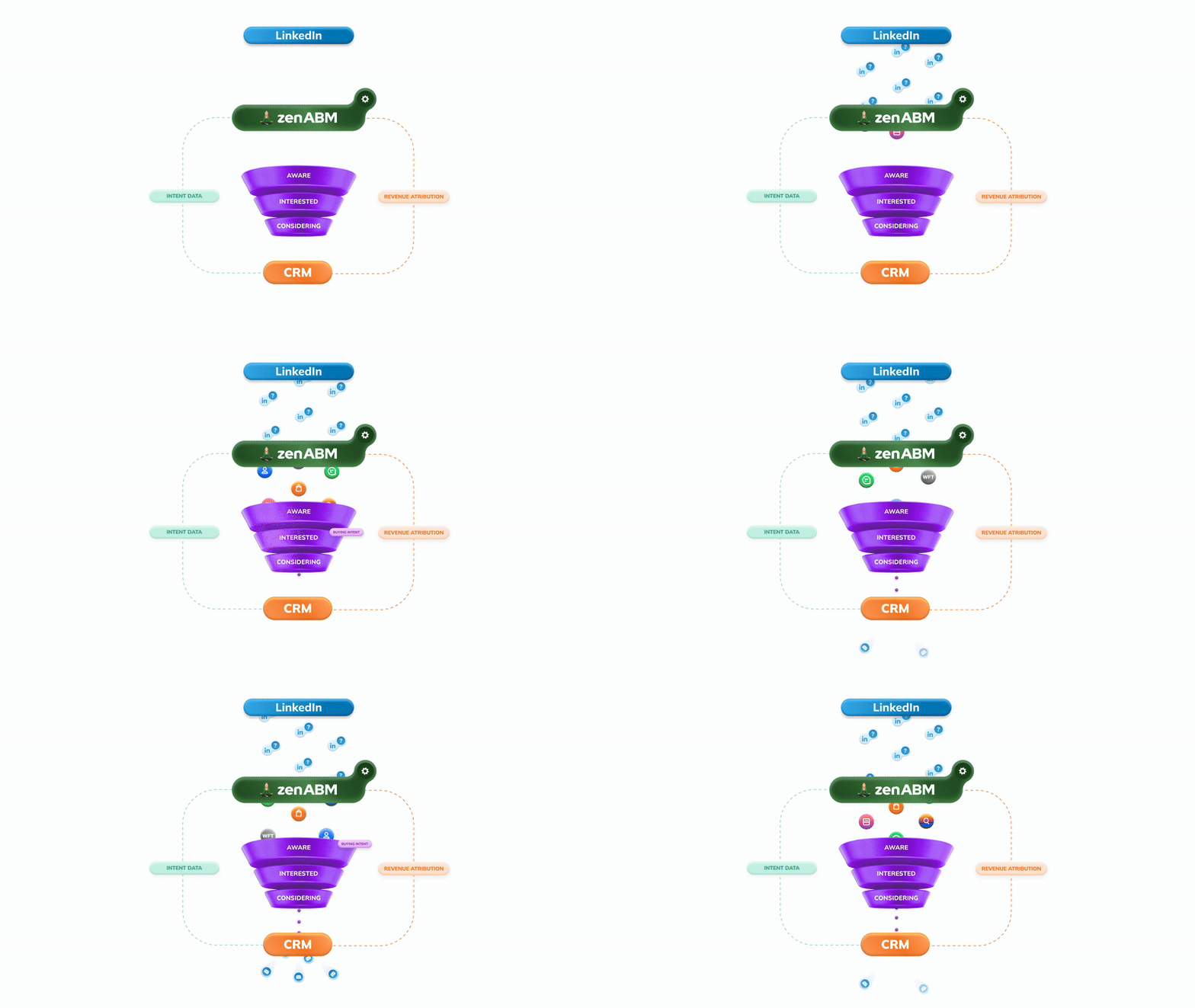
In case you want a quick Dreamdata vs. Demandbase comparison:
| Category | Dreamdata | Demandbase |
|---|---|---|
| Platform Type | B2B revenue attribution and activation platform | Enterprise ABM and account intelligence suite |
| Primary Focus | Multi-touch attribution and revenue analytics | Account targeting, intent, and orchestration |
| Main Strength | Explains what drove revenue | Executes ABM at scale |
| Ad Channels | All major channels | Display, LinkedIn, web personalization |
| Intent Signals | Journey and engagement based | Strong third-party intent (Bombora, G2) |
| Account-Level Analytics | Strong | Strong |
| CRM Integration | Salesforce, HubSpot | Salesforce, HubSpot, MAPs |
| Operational Complexity | Medium | High |
| Best For | RevOps and attribution teams | Large enterprise ABM teams |
| Pricing | Mid to high five figures | High five to six figures |
A third option: ZenABM gives account-level LinkedIn ad engagement, pipeline dashboards, account scoring, ABM stages, CRM sync, first-party qualitative intent, automated BDR assignment, custom webhooks, an AI chatbot Zena that gives deep LinkedIn ABM analytics in natural language, and job title analytics starting at $59 per month.
Dreamdata bills itself as a B2B “Activation and Attribution Platform” that maps buyer touchpoints and ties them to revenue.
Dreamdata aims to be a central place to connect marketing spend to revenue.

Dreamdata provides several attribution models, such as first touch, last touch, W-shaped, time decay, and data-driven options. It aggregates CRM, website, and ad data into a single timeline so you can see how content and campaigns contributed to a deal, not just the last click.


Dreamdata rolls data into revenue analytics dashboards, showing pipeline and ROI by channel, campaign, and content. You can track metrics like Time to Revenue and pipeline velocity by stage. Some users on G2 note that not all pre-built reports are useful, and the learning curve is real.

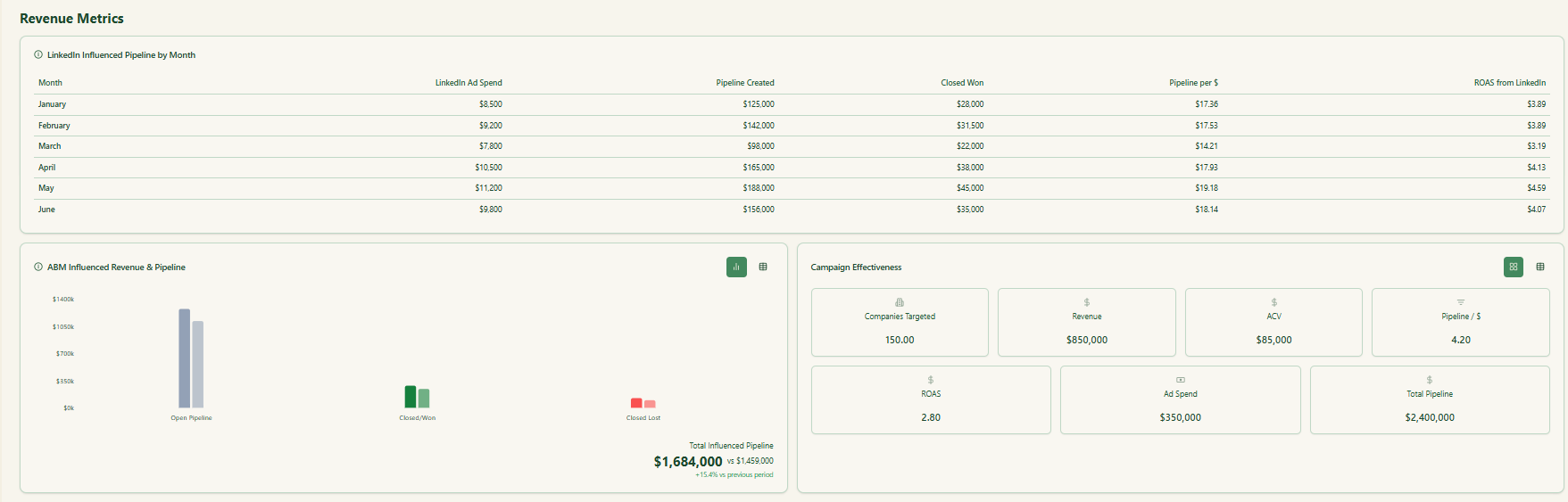
By the way, ZenABM also provides account-based LinkedIn ad revenue attribution dashboards starting at $59/month.


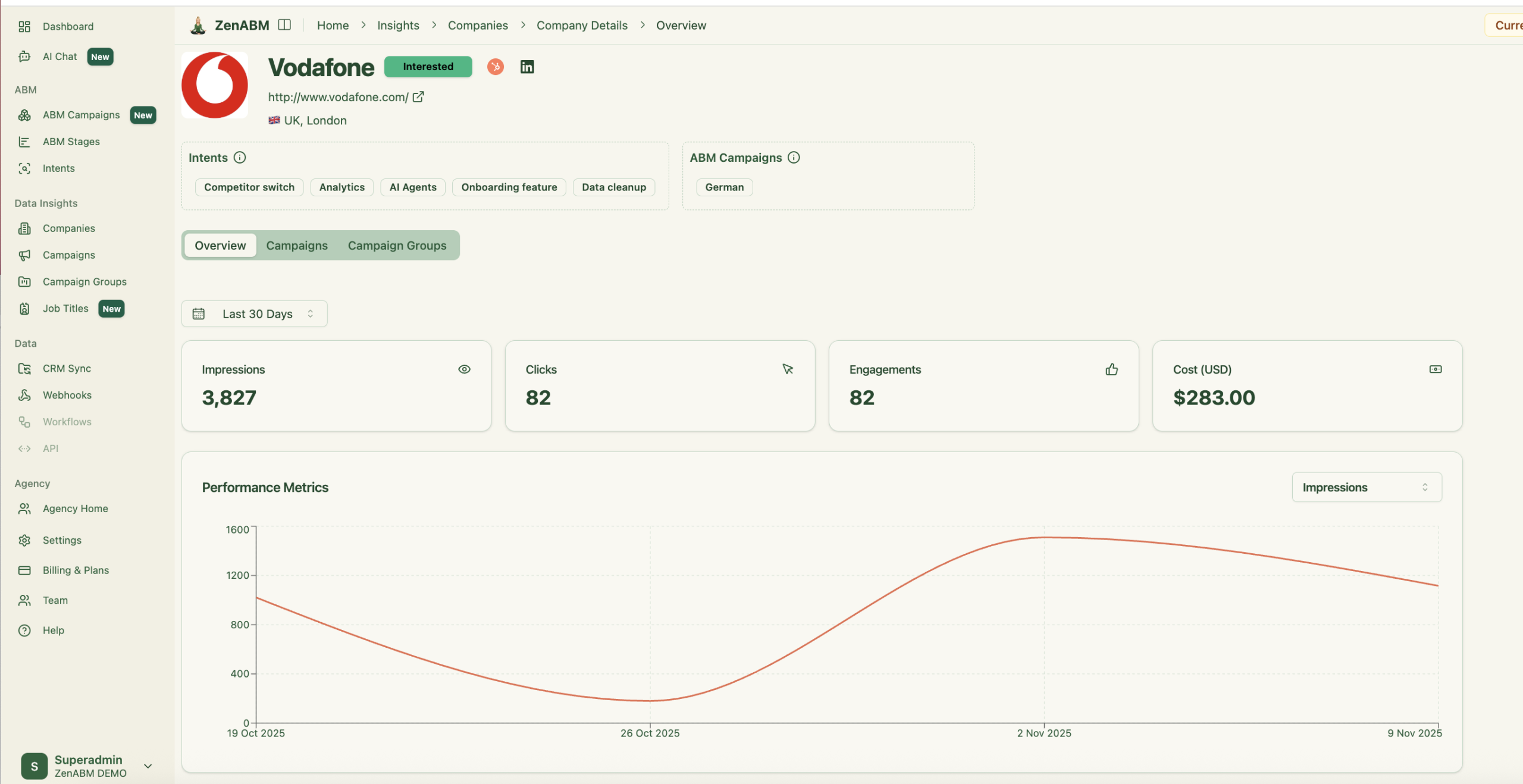
Dreamdata automatically organizes contact-level touchpoints into account journeys so you see how buying committees move from first touch to close. Its ABM view helps marketing show influence on deals and track account-level engagement.

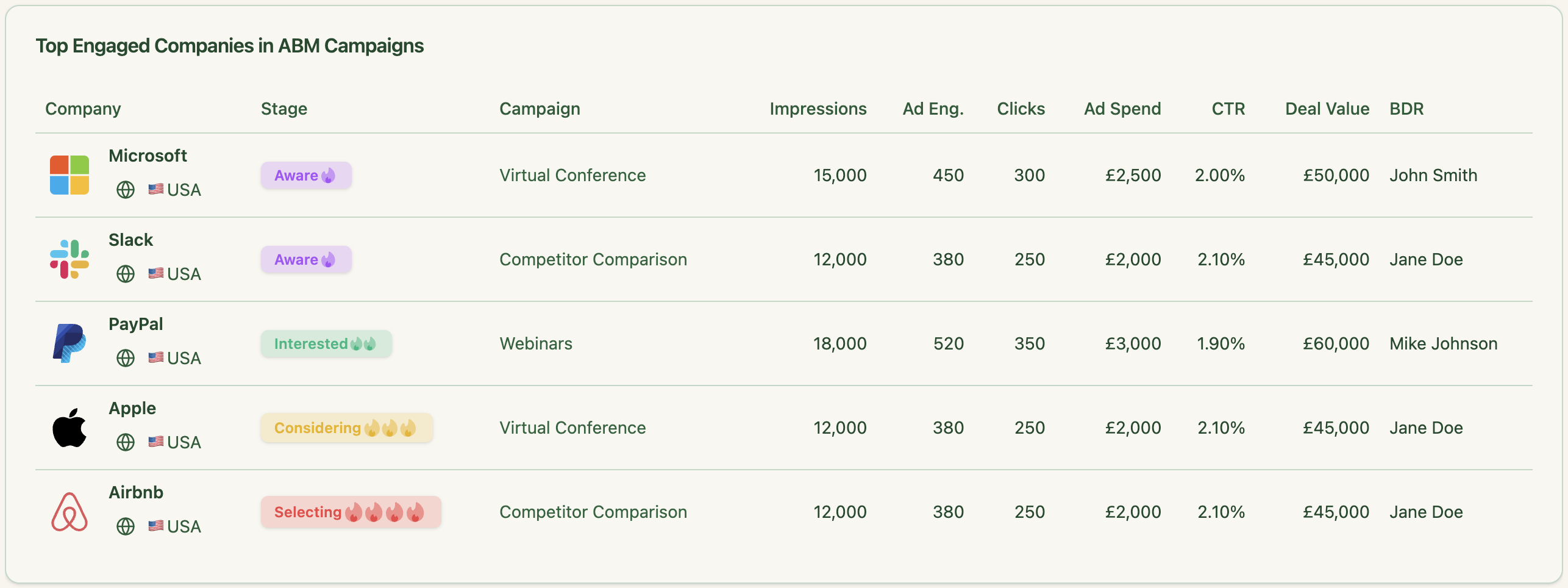
The “Reveal” module identifies which companies are engaging most, scores their activity, and flags high fit visitors.

ZenABM also provides journey visualizations showing the impact of LinkedIn ads on a deal progression.
Dreamdata lets you build audiences using filters across all your data and sync them to ad platforms. For example, you can create a segment of accounts that visited your pricing page twice and retarget them on LinkedIn.

It also supports one-click conversion syncing, so events like SQLs or closed deals flow back into ad platforms for revenue-based optimization.

Dreamdata has 40+ integrations across CRMs, marketing automation, ads, analytics, and more.
Big ones:
ZenABM also has integrations covered:
Dreamdata pricing isn’t clear on the site.
Here is what is publicly available:

If you are looking for a leaner tool, ZenABM starts at $59/month. It offers account-level LinkedIn ad engagement tracking, plug-and-play dashboards, account scoring, ABM stage tracking, CRM sync, first-party qualitative intent, automated BDR assignment, custom webhooks, and job title-level engagement tracking.

Dreamdata reviews cluster around three themes:
Demandbase functions as a comprehensive ABM platform that covers everything from building target account lists to running multi-channel advertising and customizing on-site experiences.
Its broad toolkit lets teams replace several point tools with one system, which can reduce operational friction.
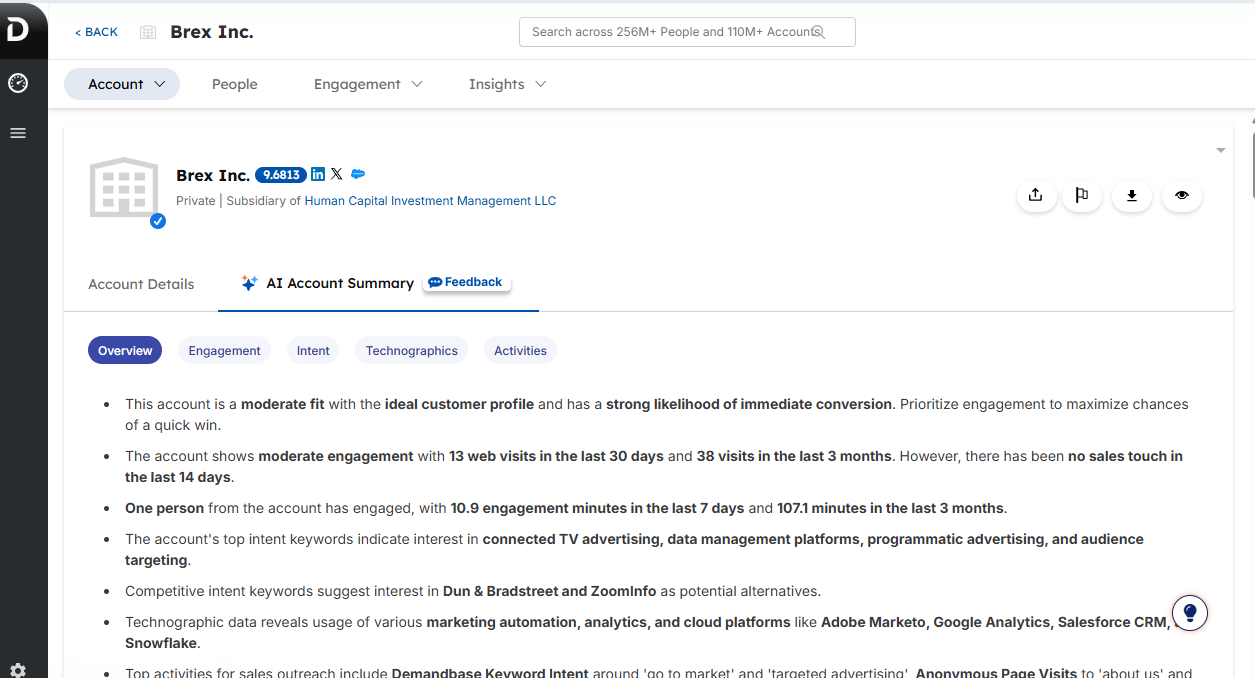
Demandbase also unifies account and contact data to strengthen sales intelligence, enrichment and outbound strategy so ABM execution becomes more coordinated.
Key Demandbase capabilities explained:
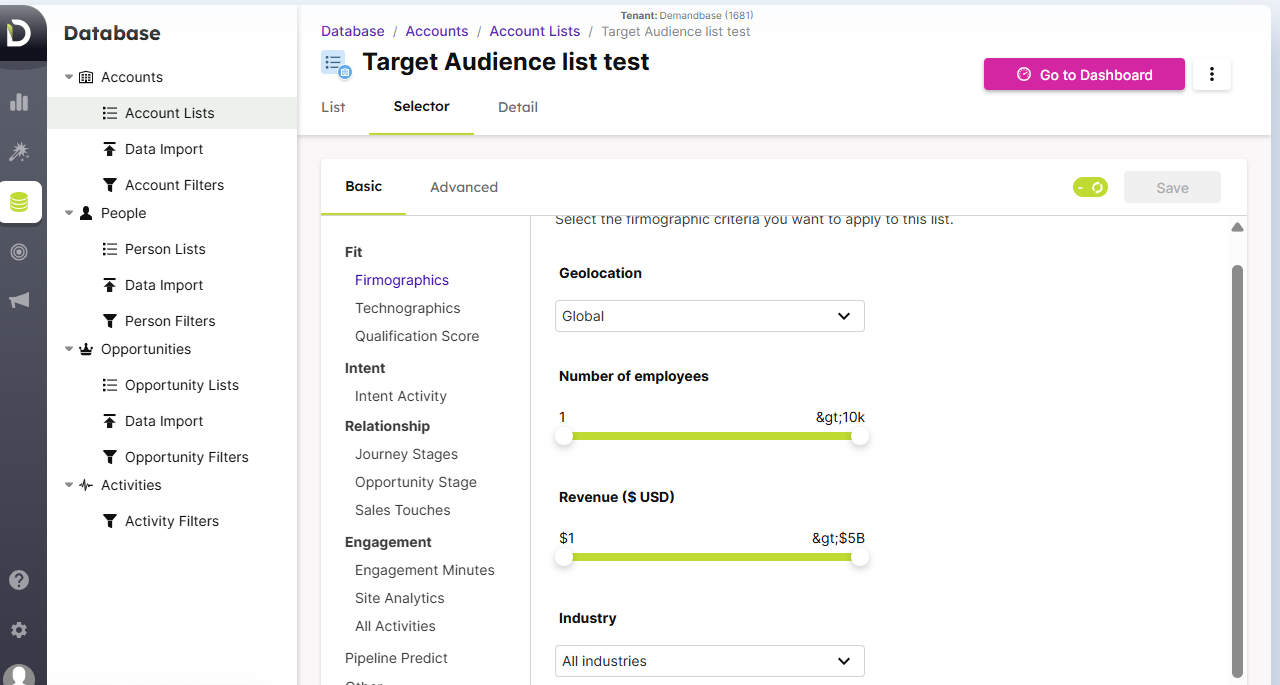
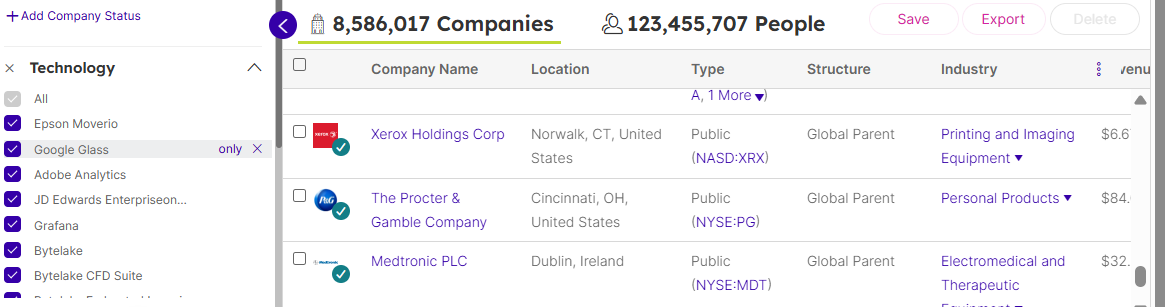
Demandbase helps you create and tune target account lists by combining first-party and third-party data, with AI suggestions that factor in firmographics, technographics and intent signals.
This helps larger organizations quickly identify which accounts deserve priority.
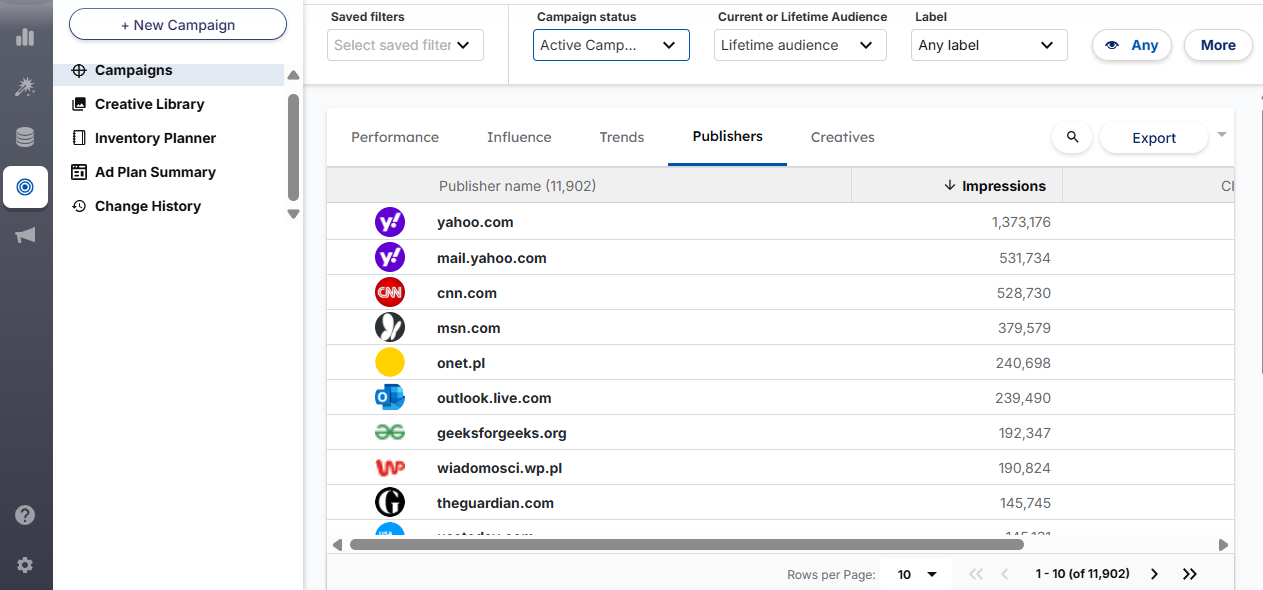
Demandbase includes a native programmatic engine so you can run display, retargeting, native and Connected TV campaigns from one place. The DSP uses intent data to reach high-value audiences more precisely.
It also connects to major social networks. You can manage LinkedIn, Facebook, Twitter and YouTube within Demandbase, set account-level frequency caps and use AI to optimize budgets.
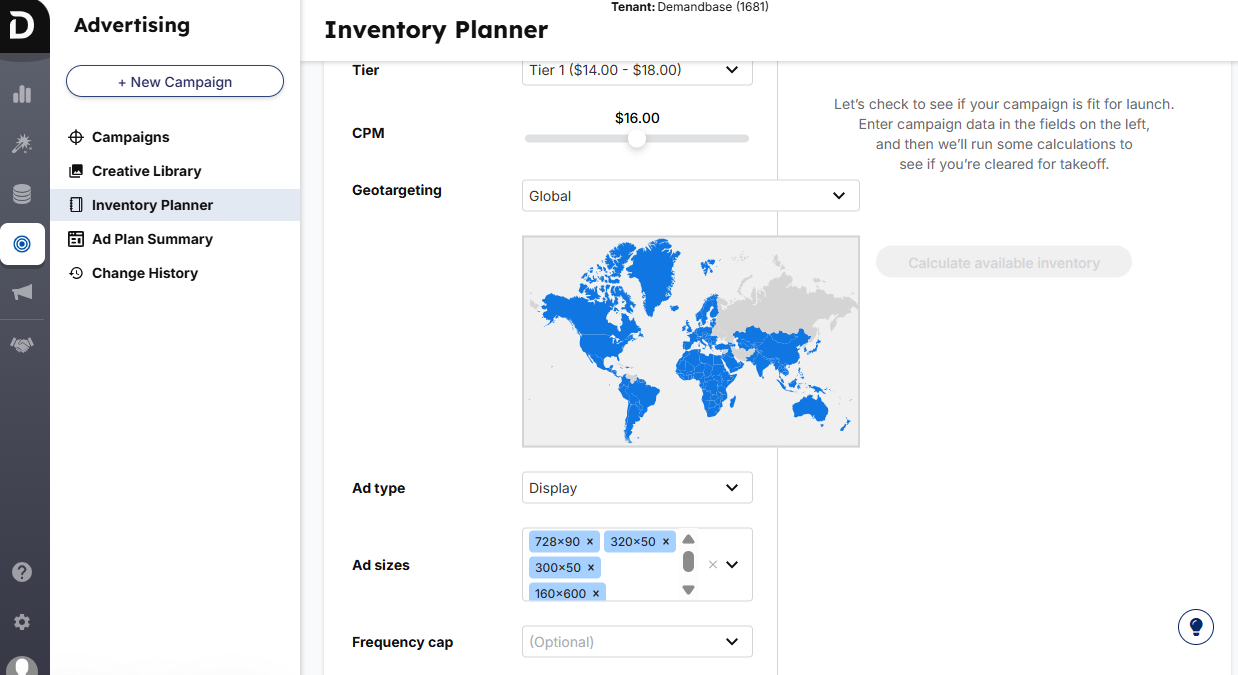
ZenABM, on the other hand, focuses on excelling advertisement and analytics on one channel – LinkedIn, which is, anyway, the best one (especially when traditional display ads are plagued by all sorts of bot and click fraud).
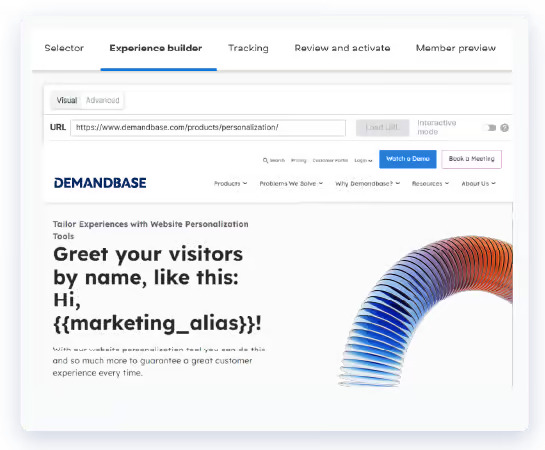
Demandbase supports personalized site experiences for target accounts.
You can create account-specific pages or dynamic modules, such as greetings or offers tied to industry or funnel stage.
Demandbase pulls in third-party intent across more than 62,500 B2B topics and blends it with first-party engagement.
That lets Demandbase surface target accounts that are “surging” on relevant themes via providers like Bombora, along with how those accounts interact with your assets.
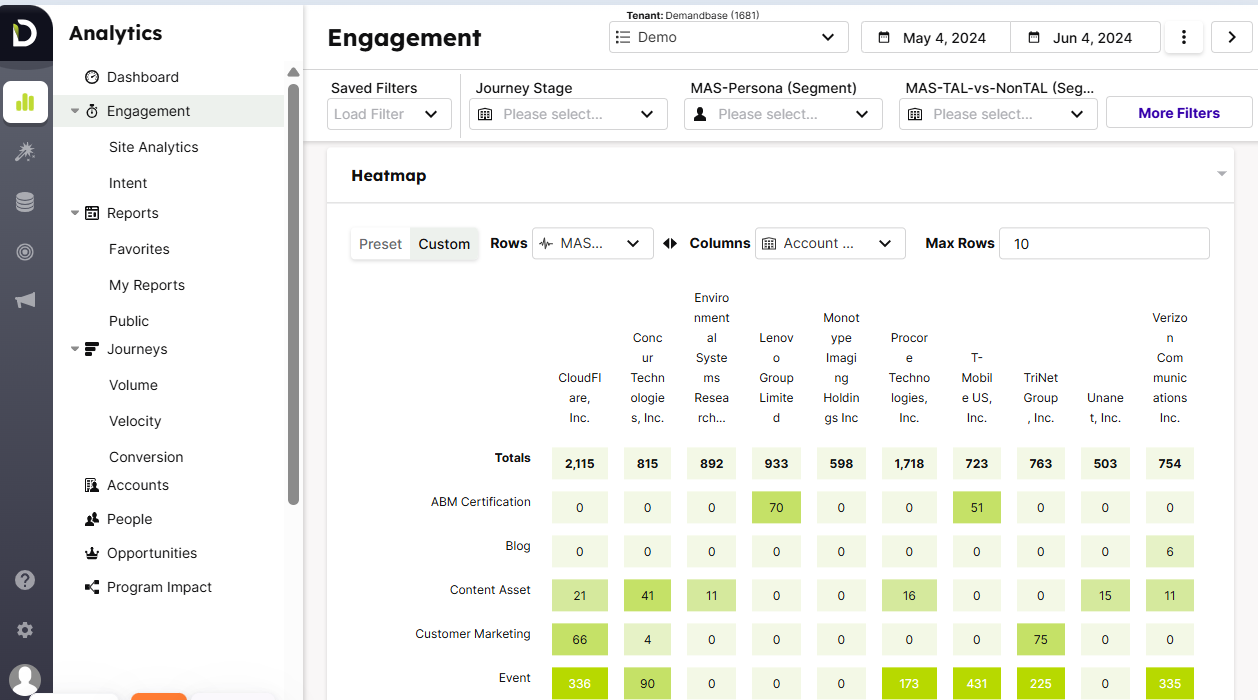
You also get heatmaps and engagement scores across channels, plus predictive analytics to highlight likely in market accounts and guide sales and marketing focus.
Pro Tip: Favor first-party intent over third-party keyword spikes.
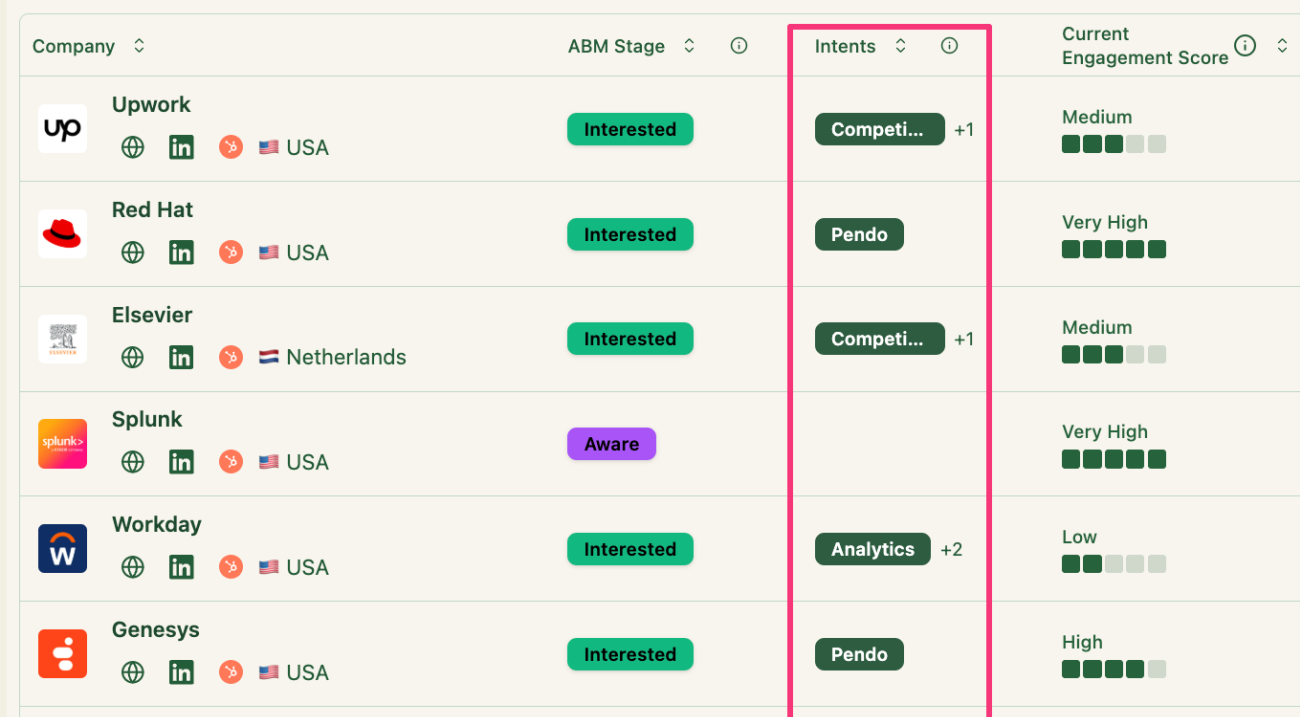
ZenABM captures qualitative intent by tracking which LinkedIn ads a company actually engages with, so signals are clearer and more actionable.
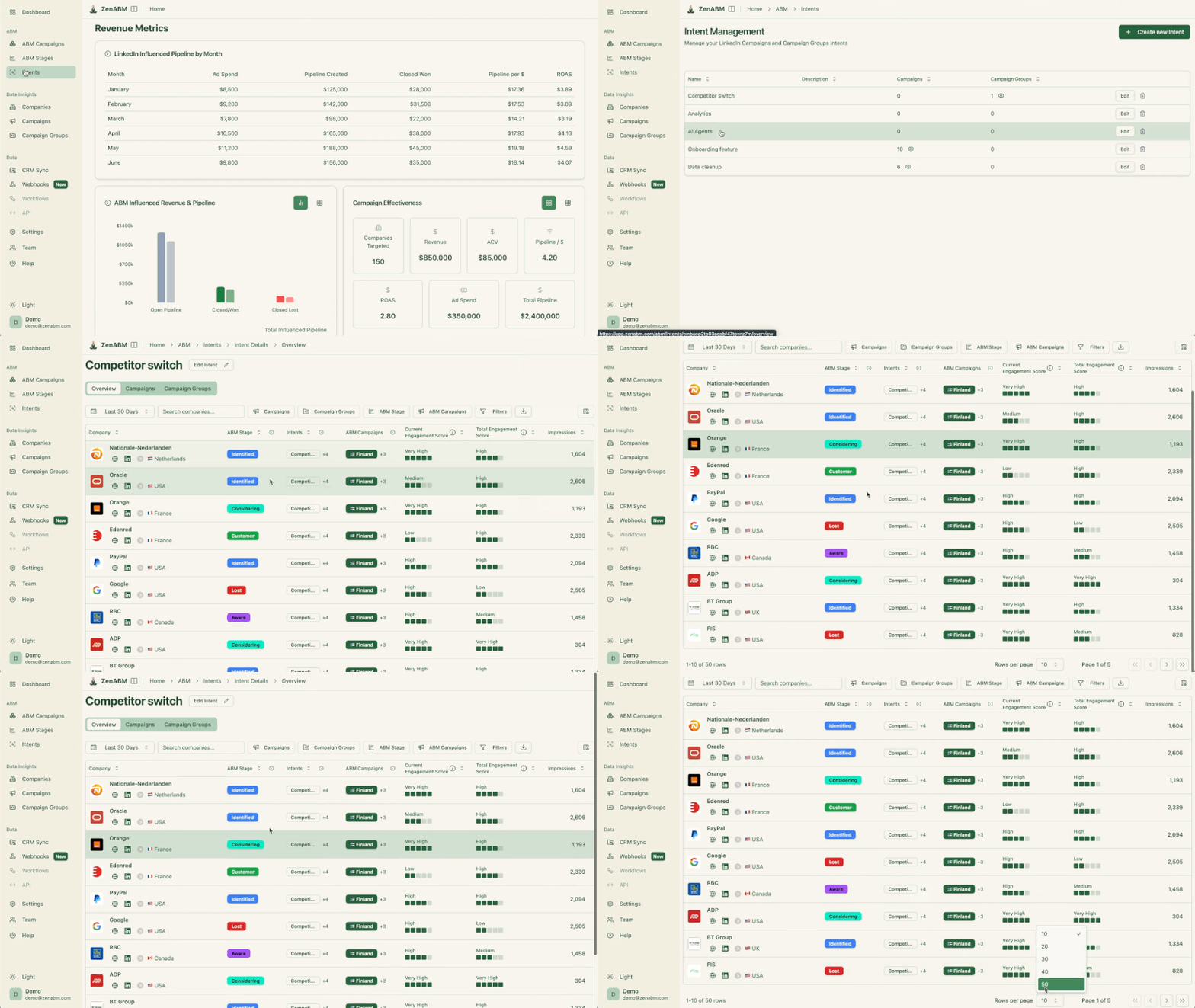
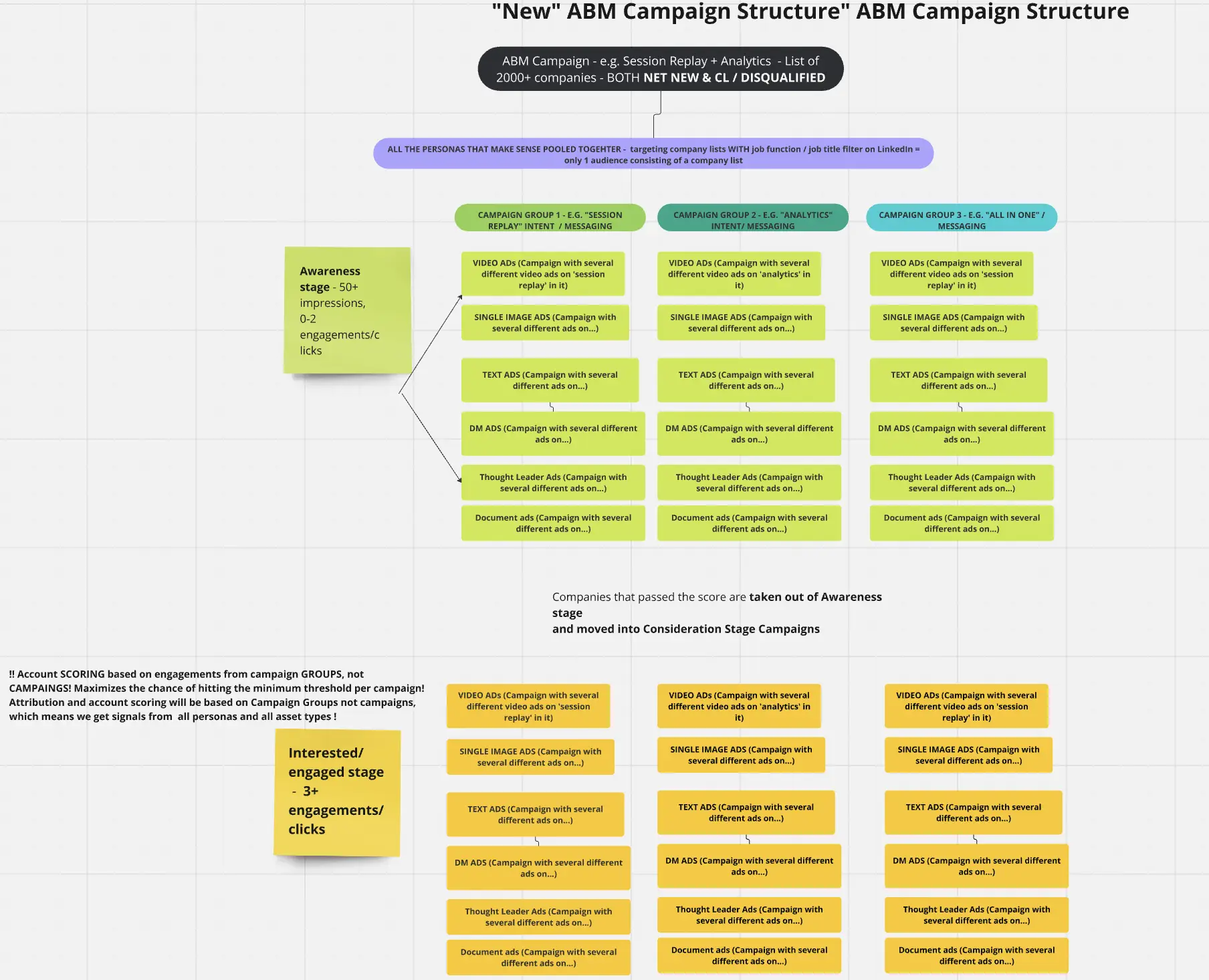
Teams like Userpilot have built ABM playbooks around this idea by tagging campaigns to pain points and increasing BOFU spend on the themes accounts interact with.
Their campaign blueprint:
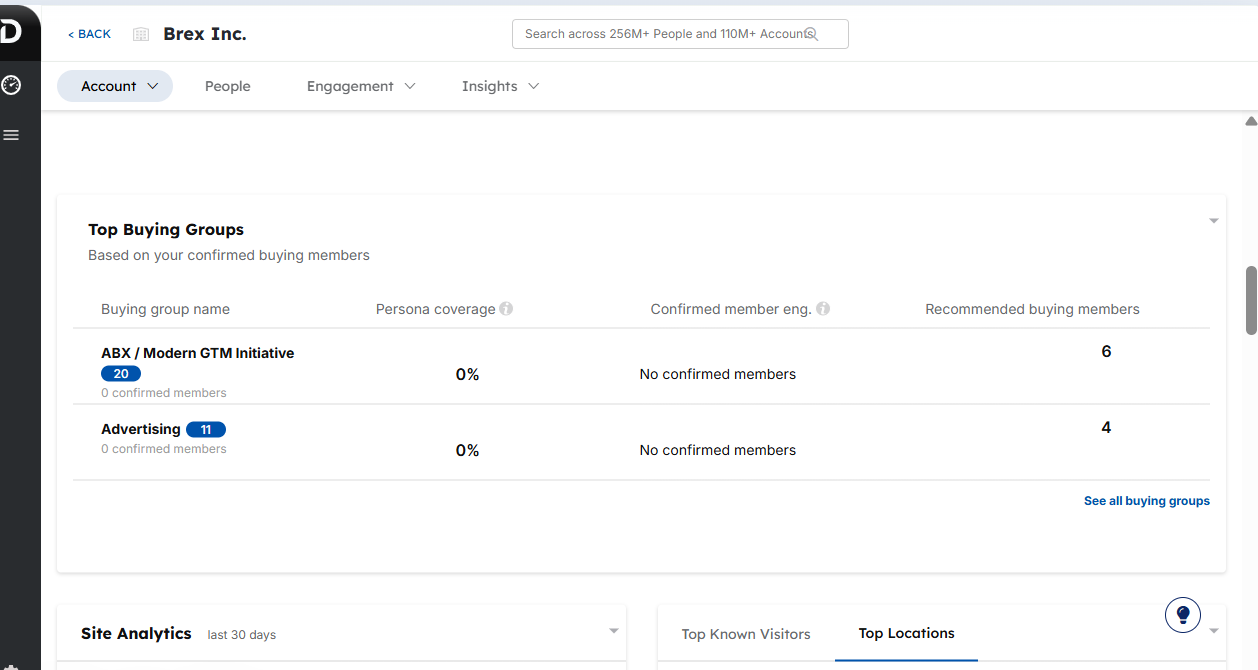
The platform builds buying committees by finding and targeting decision makers at each account so you can focus ads and sales motions on the right roles.
Demandbase provides robust reporting to measure account engagement, campaign influence on pipeline and revenue attribution across the full journey.
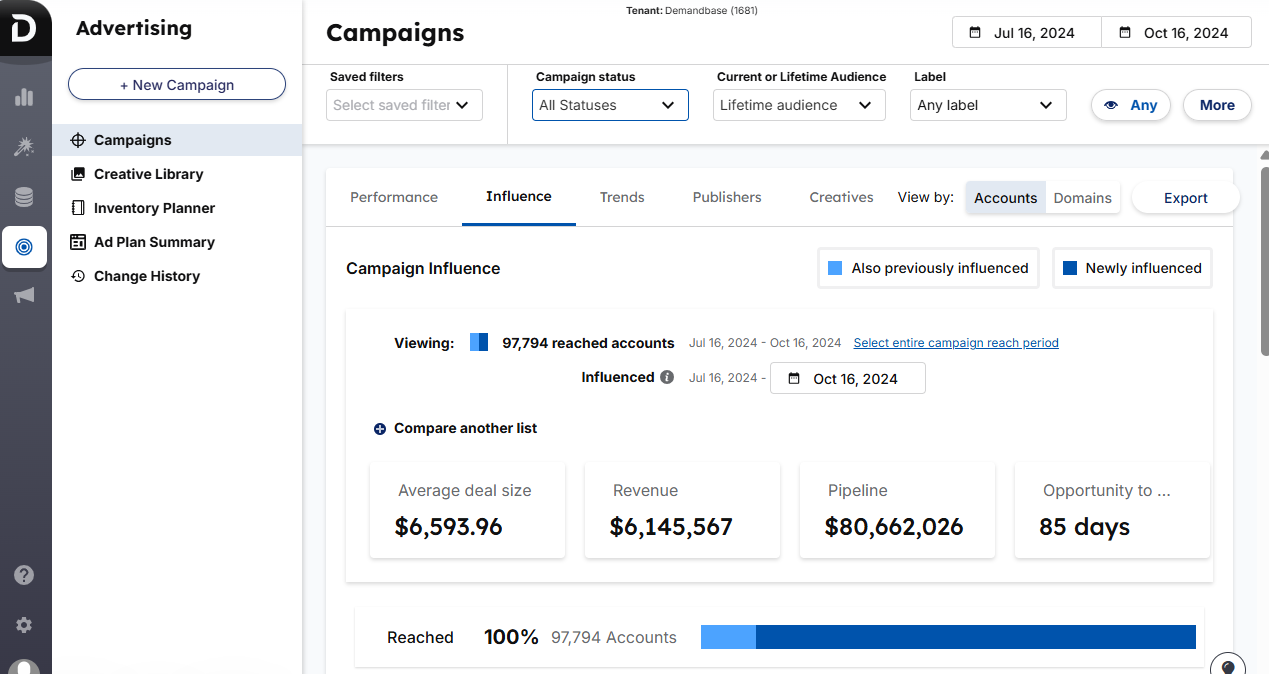
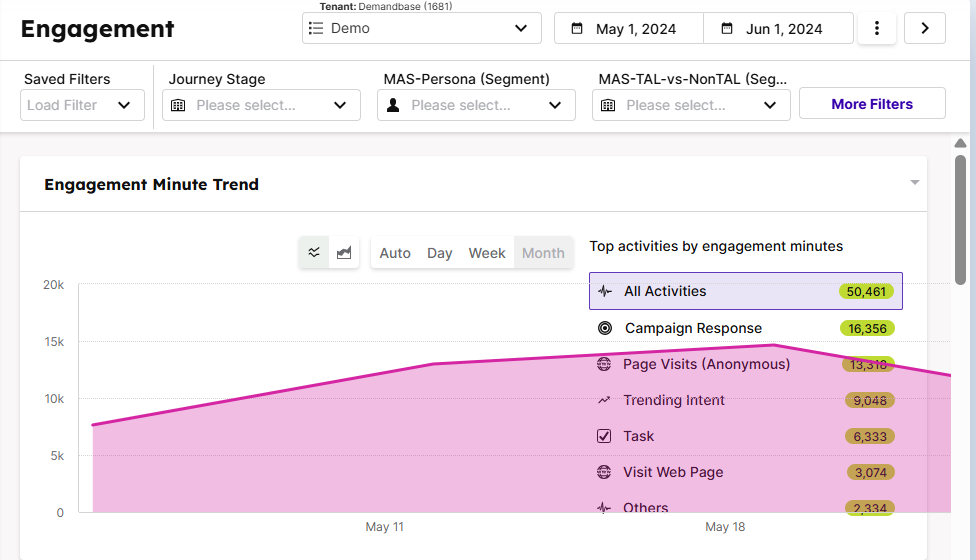
AI models estimate likely pipeline outcomes and highlight where reps should focus to improve win probability.
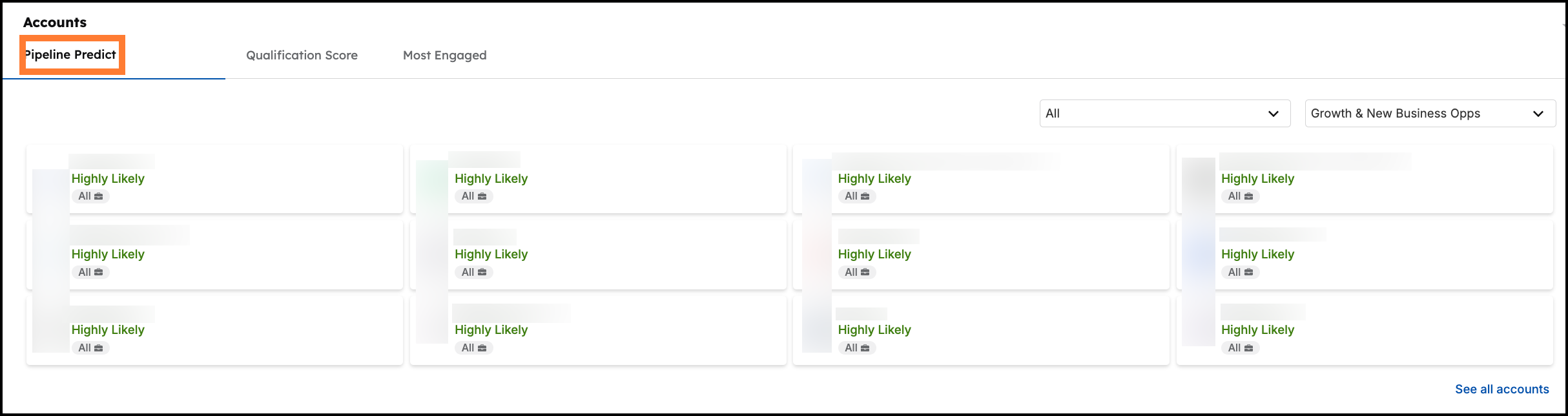
Remember: someone still needs to own and maintain these dashboards for them to keep reflecting reality.
Demandbase integrates with leading CRMs like Salesforce, marketing automation platforms (MAPs) and sales tools so account insights flow into sales workflows, for example via a Salesforce component that shows engagement. It also connects with sales engagement tools like Outreach and Salesloft.
This alignment helps marketing and sales operate from a shared account view.
For the full catalog, see the Demandbase official docs.
Demandbase pricing isn’t published in exact numbers on the site, and usually it offers custom enterprise packages after a sales conversation.
Most deals combine a platform fee with per-seat pricing, rising with team size and usage such as engaged account volume or activity levels.
According to industry references:
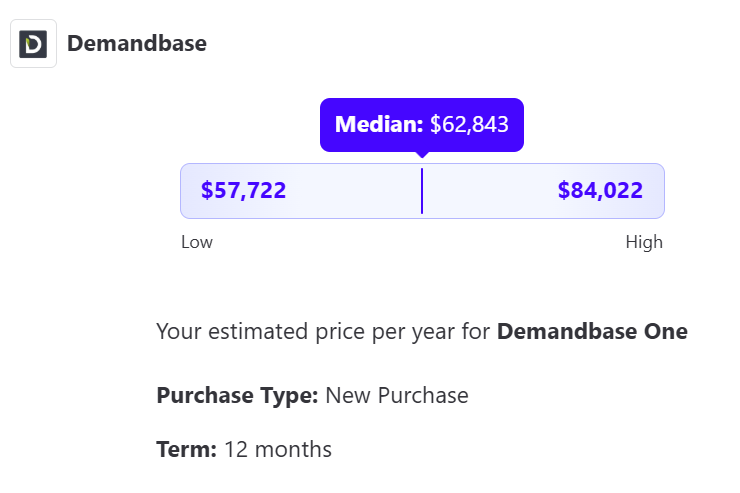
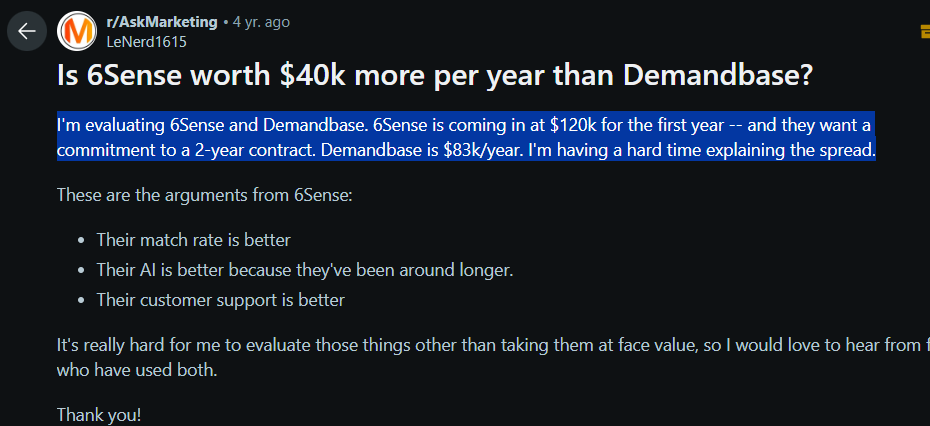
When reviewing quotes, external benchmarks help you keep pricing realistic and avoid overbuying.
Optional add-ons, such as extra intent data or sales intelligence databases, can increase the bill.
Because of its breadth, many small businesses find Demandbase more than they need and risk paying for modules that stay idle.
In short, Demandbase suits teams with sizable ABM budgets and a mature program in place.
ZenABM, on the other hand, starts at just $59/month and gives account-level LinkedIn ad engagement, pipeline dashboards, account scoring, ABM stages, CRM sync, first-party qualitative intent, automated BDR assignment, custom webhooks, an AI chatbot Zena that gives deep LinkedIn ABM analytics in natural language, and job title analytics.
Users have these complaints against Demandbase One on G2:
Dreamdata vs. Demandbase differences are summarized here (along with ZenABM for perspective).
| Dimension | Dreamdata | Demandbase | ZenABM |
|---|---|---|---|
| Core Role | Revenue attribution and analysis | Enterprise ABM execution suite | LinkedIn-first ABM analytics and activation |
| Primary Data Source | CRM, MAP, ad platforms | Third-party intent plus first-party data | LinkedIn Ads API plus CRM |
| Intent Philosophy | Journey influence over time | Research and keyword surges | Actual ad engagement by buying groups |
| Third-Party Intent Dependency | Optional | Heavy | None |
| LinkedIn Depth | One channel among many | Important but not exclusive | Primary ABM channel |
| Account Identification | CRM-based | IP, cookies, enrichment | Native LinkedIn account identity |
| Company-Level Engagement | Journey level | Aggregated signals | Campaign, creative, and stage level |
| ABM Stage Tracking | Limited | Yes | Fully configurable |
| Engagement Scoring | Yes | Yes | Yes, real-time |
| CRM Sync | Bi-directional | Bi-directional | Bi-directional |
| Sales Activation | Reporting only | Playbooks and alerts | Automatic BDR assignment |
| Revenue Attribution | Advanced multi-touch | Influence-based | Pipeline, revenue, and ROAS |
| AI Capabilities | Attribution insights | Predictive intent and scoring | Natural language ABM analytics (Zena) |
| Implementation Effort | Medium | High | Low |
| Time to Value | Weeks | Months | Days |
| Typical Annual Cost | $20K–$40K+ | $60K–$200K+ | $59–$6K |
| Best Fit | Revenue-focused RevOps teams | Enterprise ABM organizations | LinkedIn-first ABM teams |
After we have discussed Dreamdata vs. Demandbase for ABM, let’s visit the third option: ZenABM.
ZenABM is built for teams that rely on LinkedIn as the primary ABM channel and want first-party accuracy, automation, and revenue visibility without the price or complexity of multi-channel suites.
Let’s look at its core features:
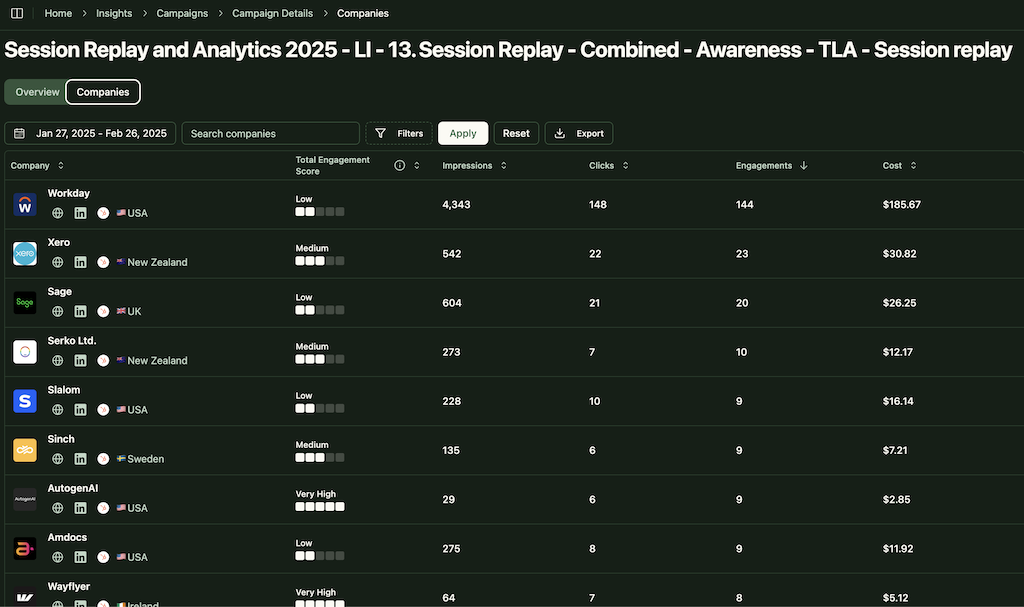
ZenABM connects to the official LinkedIn Ads API and captures account-level data for all campaigns so you can see which companies see, click, and engage with your ads.
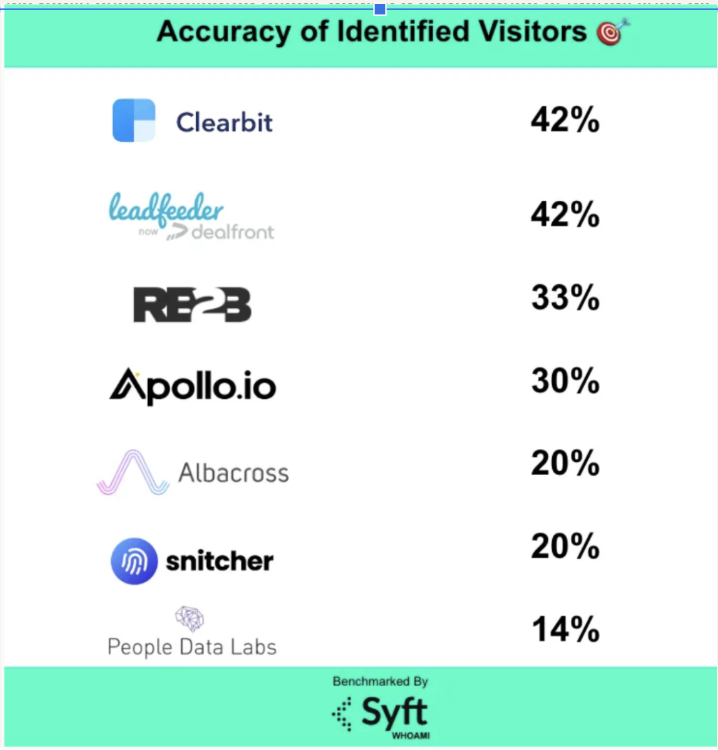
Because this is first-party data from LinkedIn’s environment, it is more reliable than IP or cookie-based visitor ID.
A Syft study puts IP-based identification at around 42 percent accuracy.
ZenABM treats LinkedIn ad engagement itself as first-party intent. When several people in one company keep engaging with your ads, that is a strong buying signal without rented intent feeds.
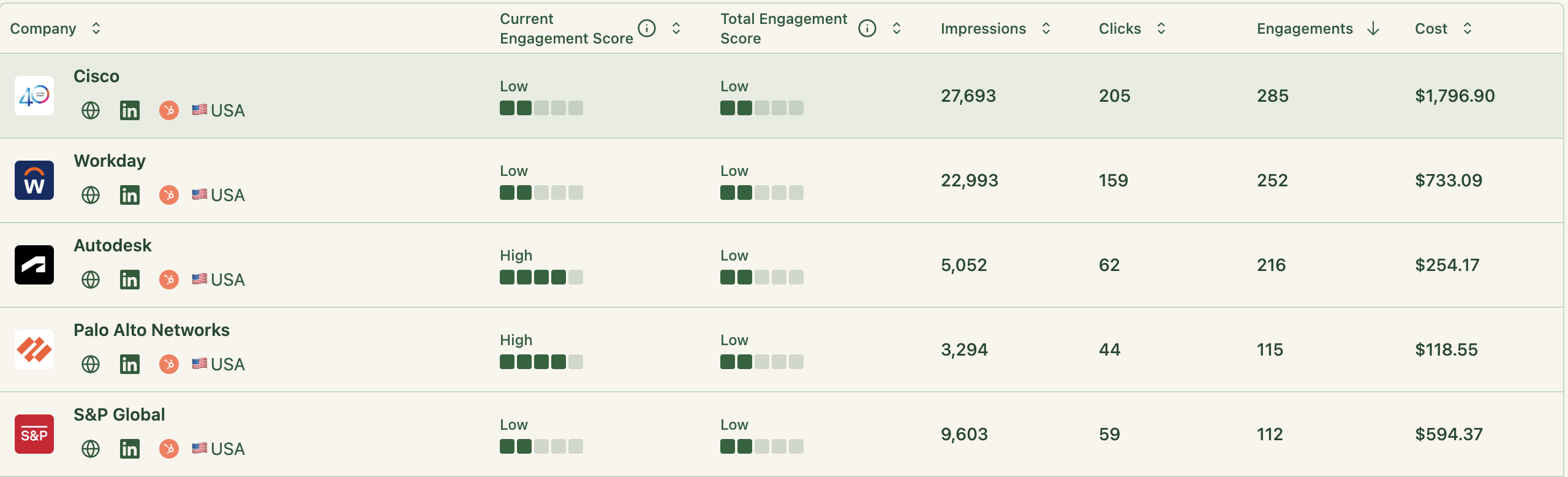
ZenABM updates engagement scores as accounts interact with your ads across campaigns, so you can see who is heating up over short or long windows and let marketing and sales prioritize accounts that show real intent.
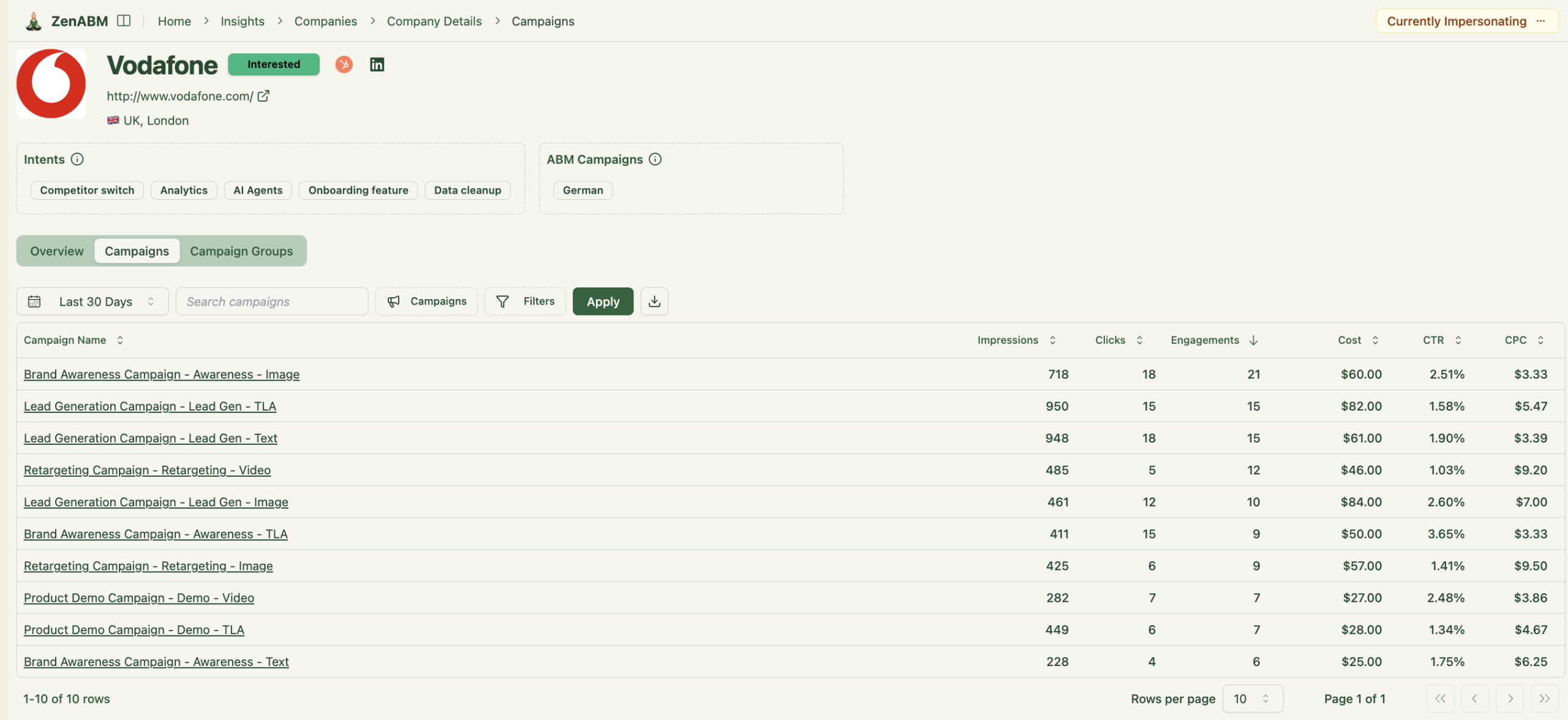
ZenABM also shows the full touchpoint timeline for each company:
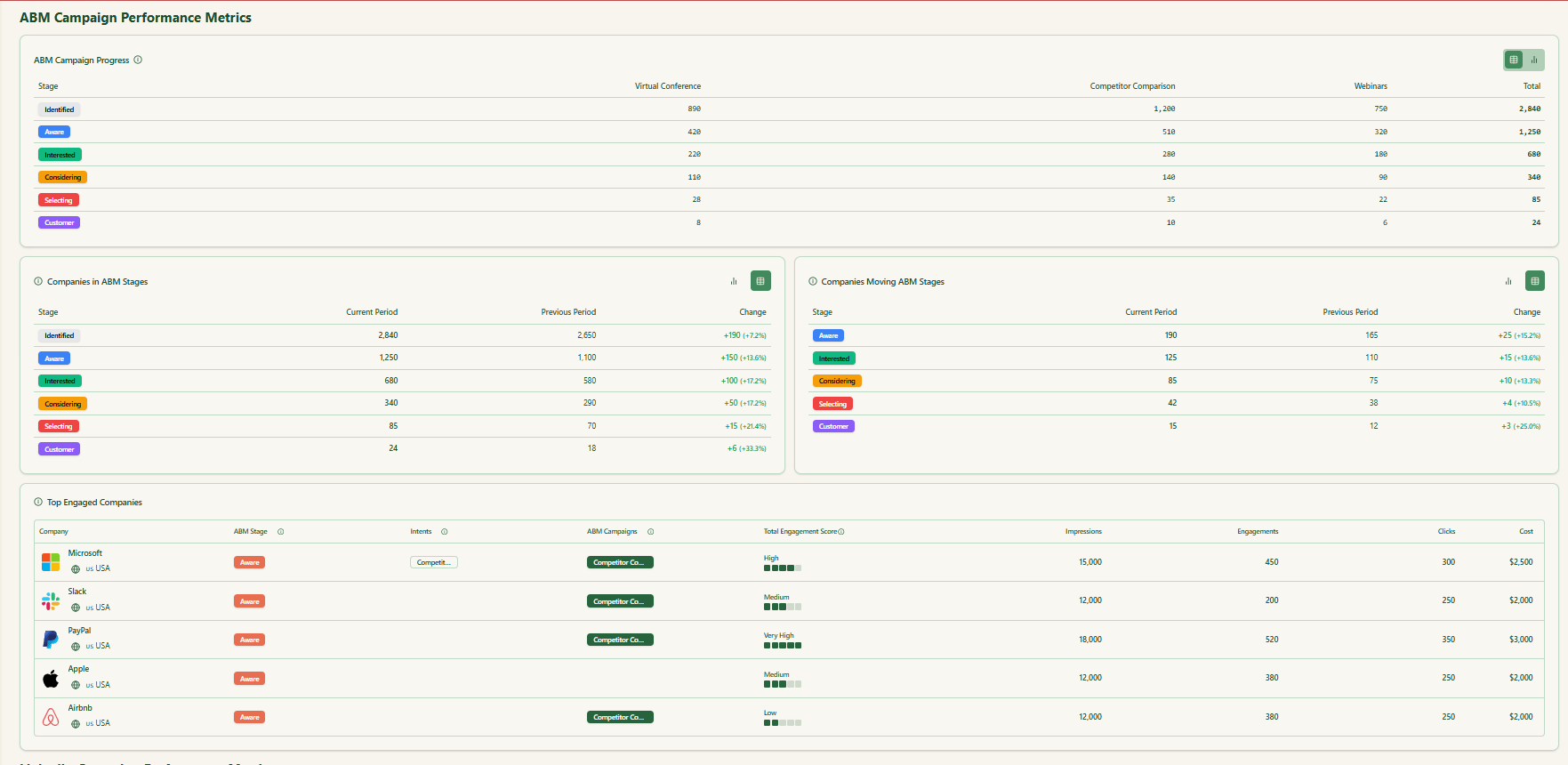
ZenABM lets you define stages such as Identified, Aware, Engaged, Interested, and Opportunity and automatically places accounts in the right stage using scores and CRM data.
You control thresholds, and ZenABM tracks movement over time.
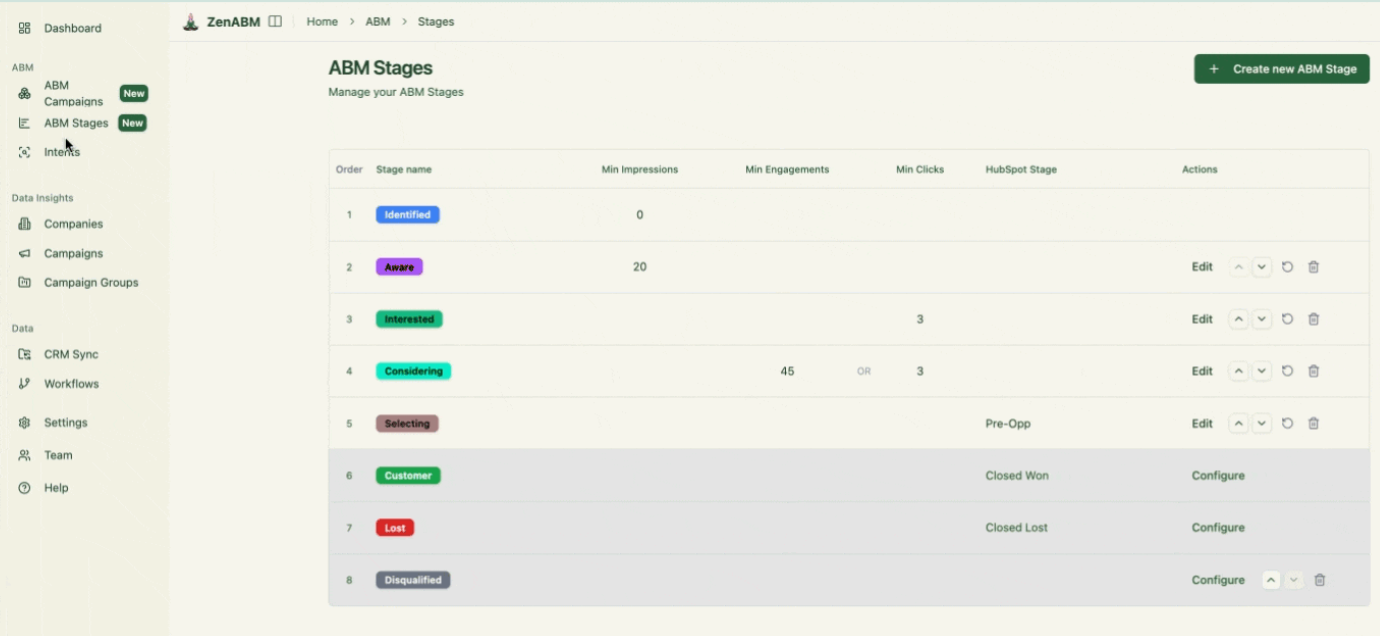
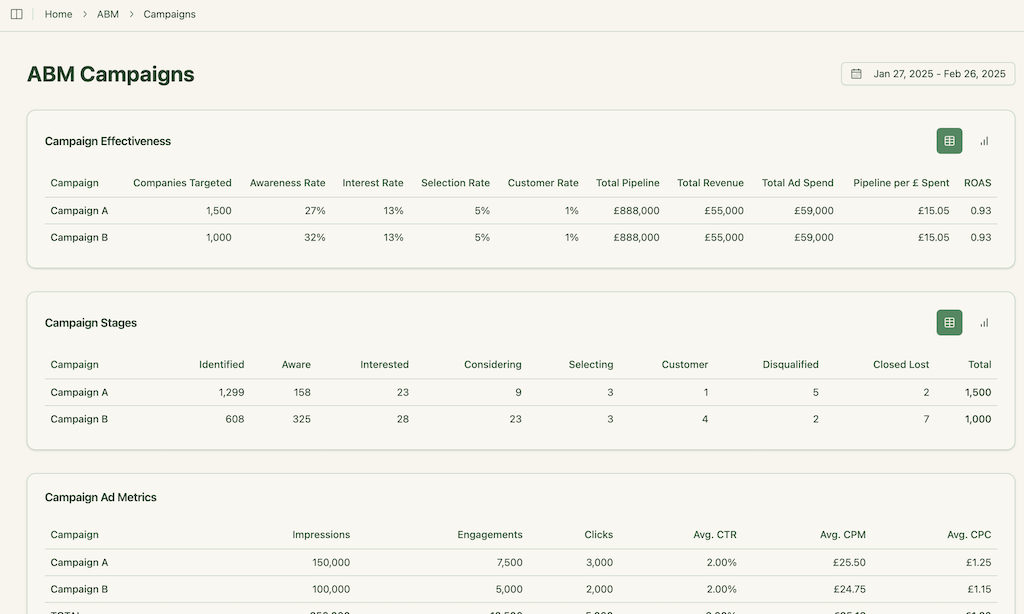
This gives you funnel visibility similar to larger suites, but powered by LinkedIn data.
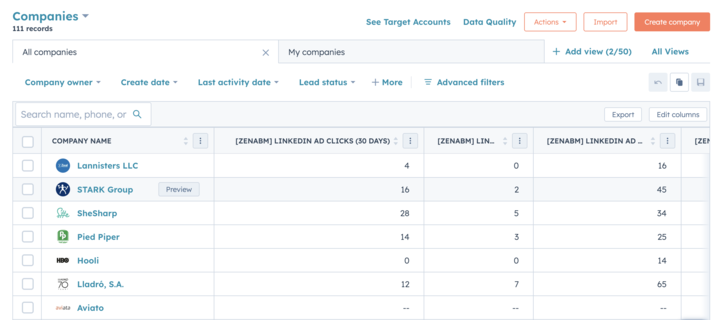
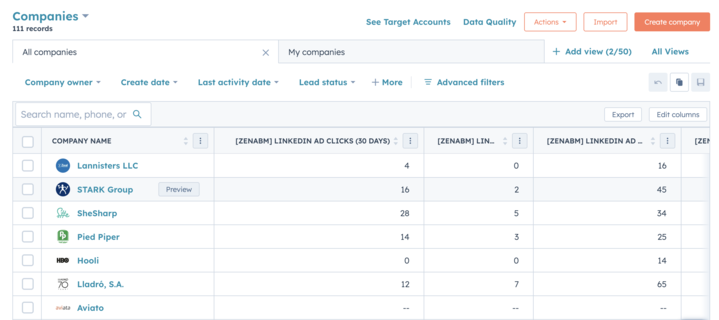
ZenABM integrates bi-directionally with CRMs like HubSpot and adds Salesforce sync on higher tiers.
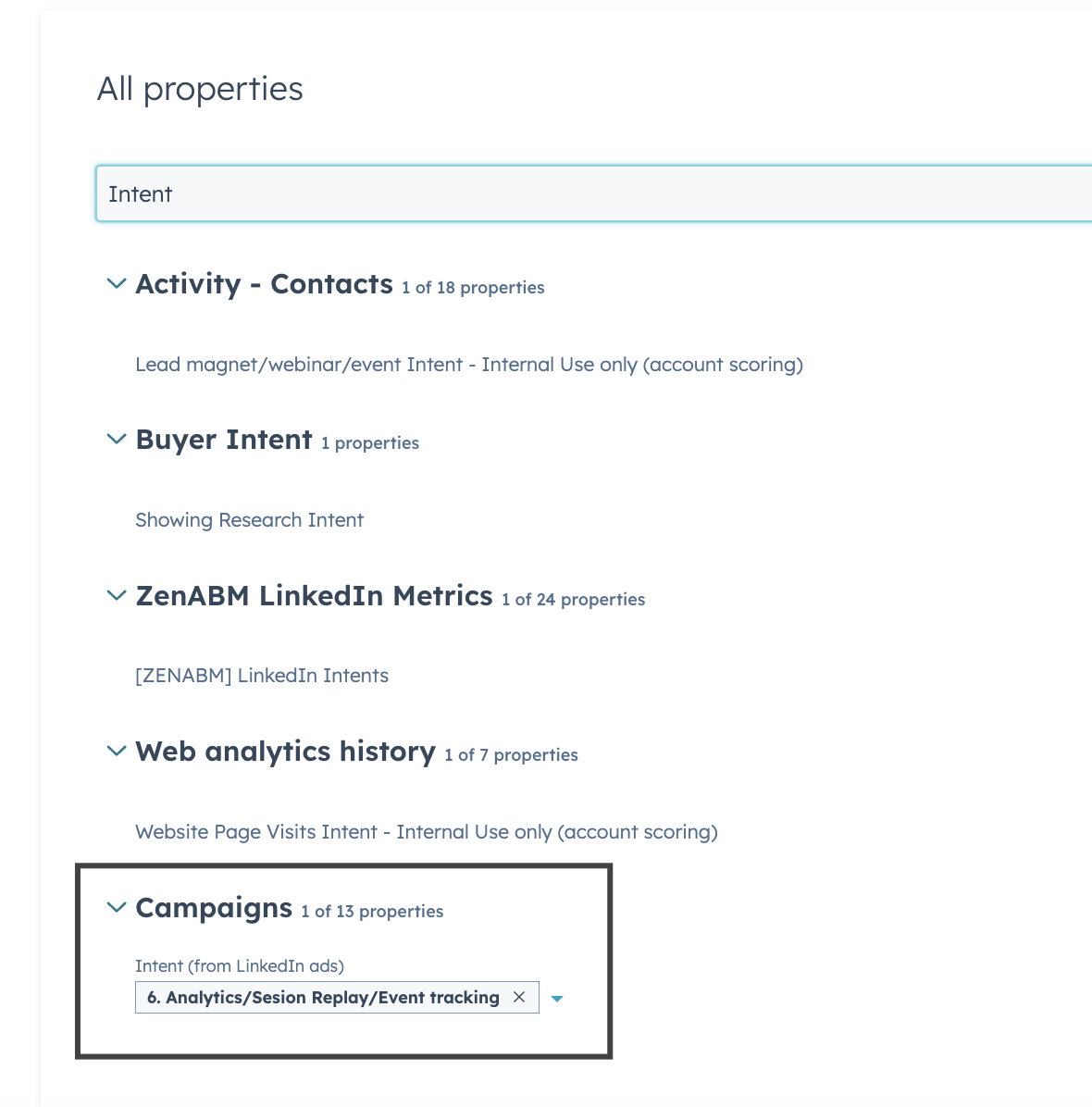
LinkedIn engagement data flows into the CRM as company-level properties:
Once an account crosses your score threshold, ZenABM updates the stage to Interested and automatically assigns a BDR.
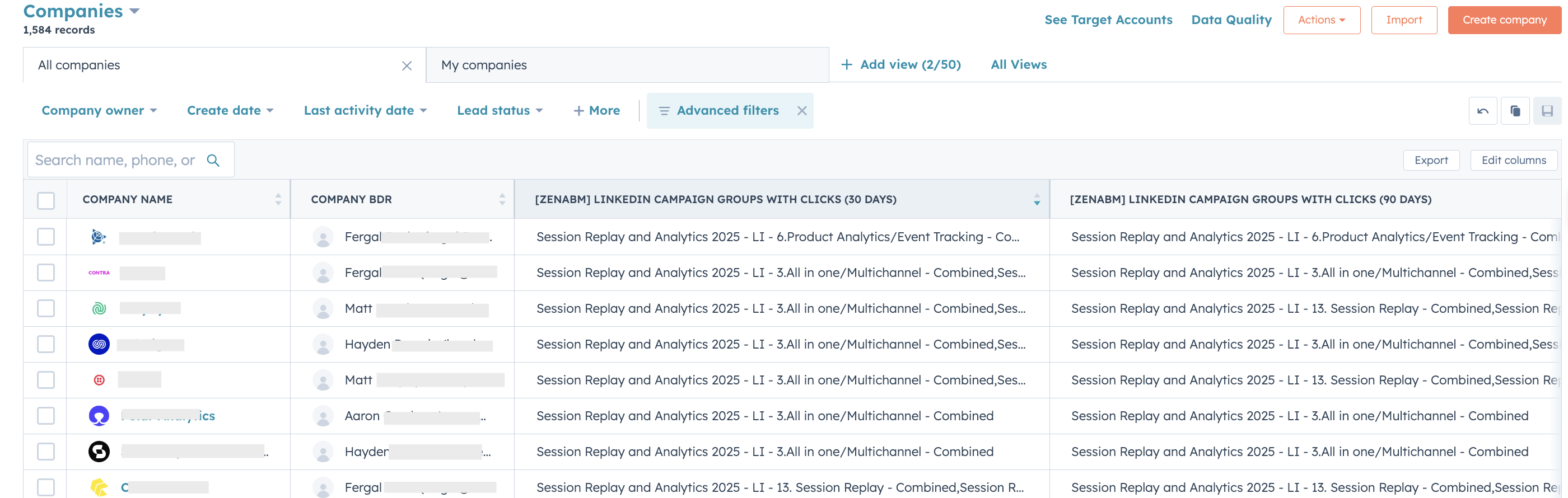
ZenABM lets you derive intent topics from LinkedIn campaigns by tagging campaigns by feature, use case, or offer.
ZenABM then shows which accounts engage with which themes.
This is clean, first-party intent from owned interactions.
You can push these topics into your CRM, so sales and marketing can tailor outreach to what each company has actually explored.
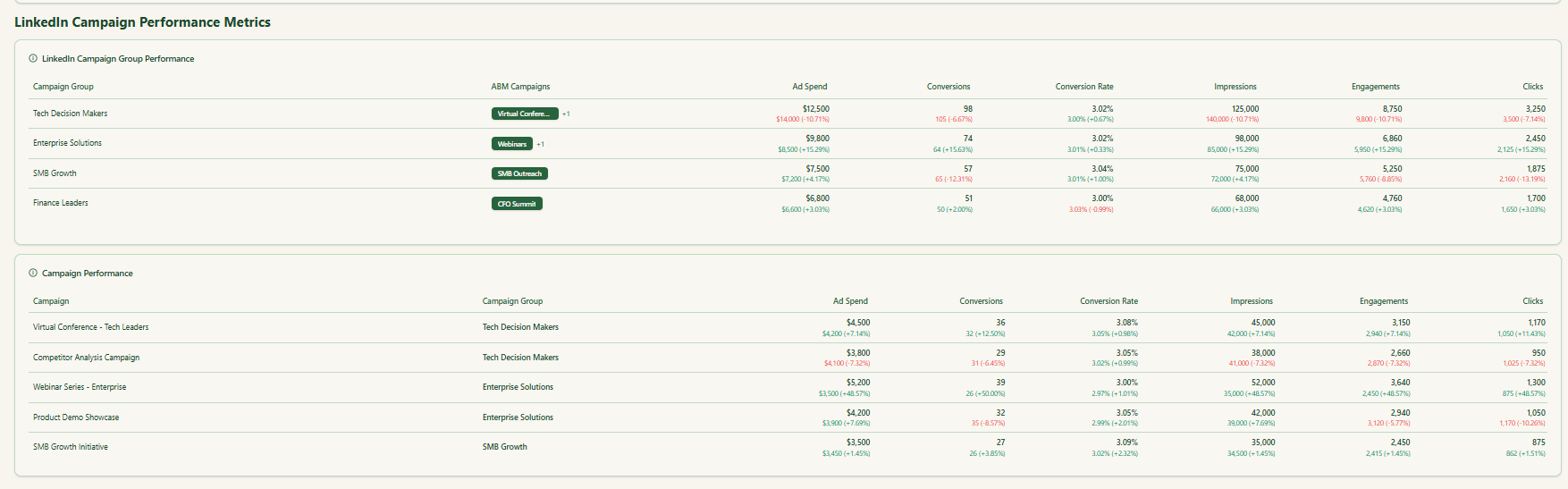
ZenABM ships with dashboards that connect LinkedIn ads to account engagement, stage movement, and revenue.
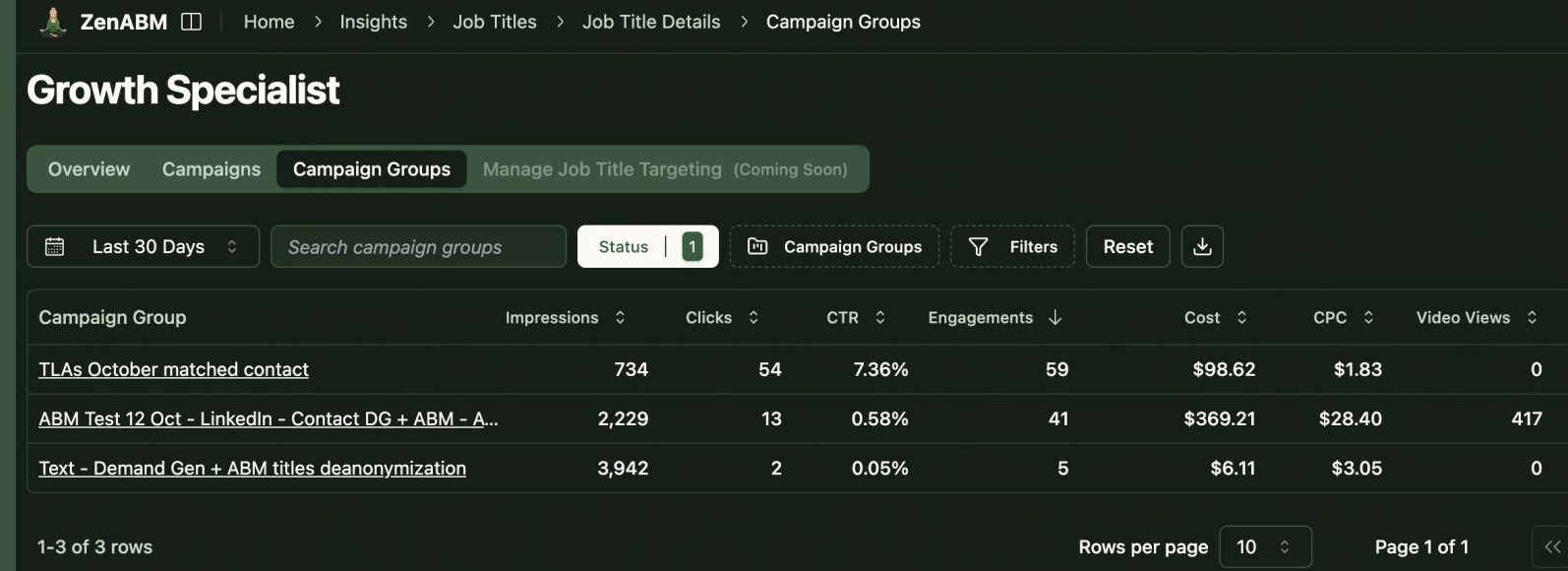
ZenABM shows which job titles engage with your creatives and gives dwell time and video funnel analytics.
ZenABM provides its AI chatbot called Zena that basically answers all you want from ZenABM in natural language.
You can ask Zena open-ended questions like you would a smart analyst and get company-level answers about:
Under the hood, Zena combines OpenAI with a library of carefully designed prompts and endpoints to join ad engagement, spend and CRM deals so it can explain which campaigns drove pipeline, which accounts turned into opportunities, which formats perform best and which companies are high intent but untouched by sales.
Instead of exporting spreadsheets and stitching pivot tables, you get plain language insights, ready to drop into strategy reviews, weekly sales standups or executive updates.
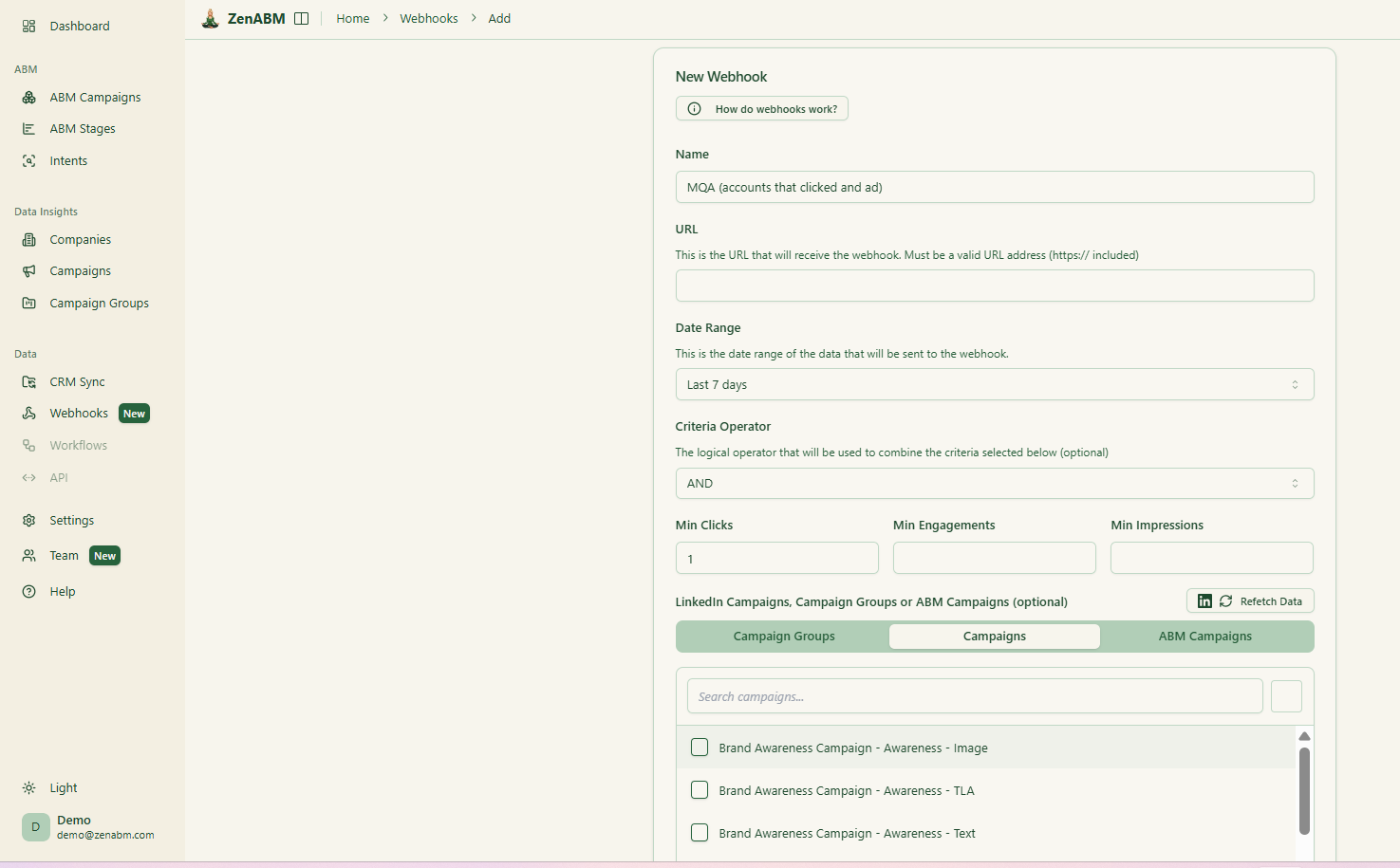
ZenABM’s custom webhooks let you push events into your stack, for example, Slack alerts, enrichment flows, or other ops automations.

Most tools treat each LinkedIn campaign separately. ZenABM lets you group several into one ABM campaign object so you can see performance across regions, personas, or creative clusters.
Instead of juggling fragmented reports in Campaign Manager, you see spend, pipeline, account movement, and ROAS for the entire initiative.
For agencies, ZenABM offers a multi-client workspace.
You can manage multiple ad accounts and clients in one environment, each with its own ABM strategy, dashboards, and reporting, instead of constantly switching accounts in Campaign Manager.
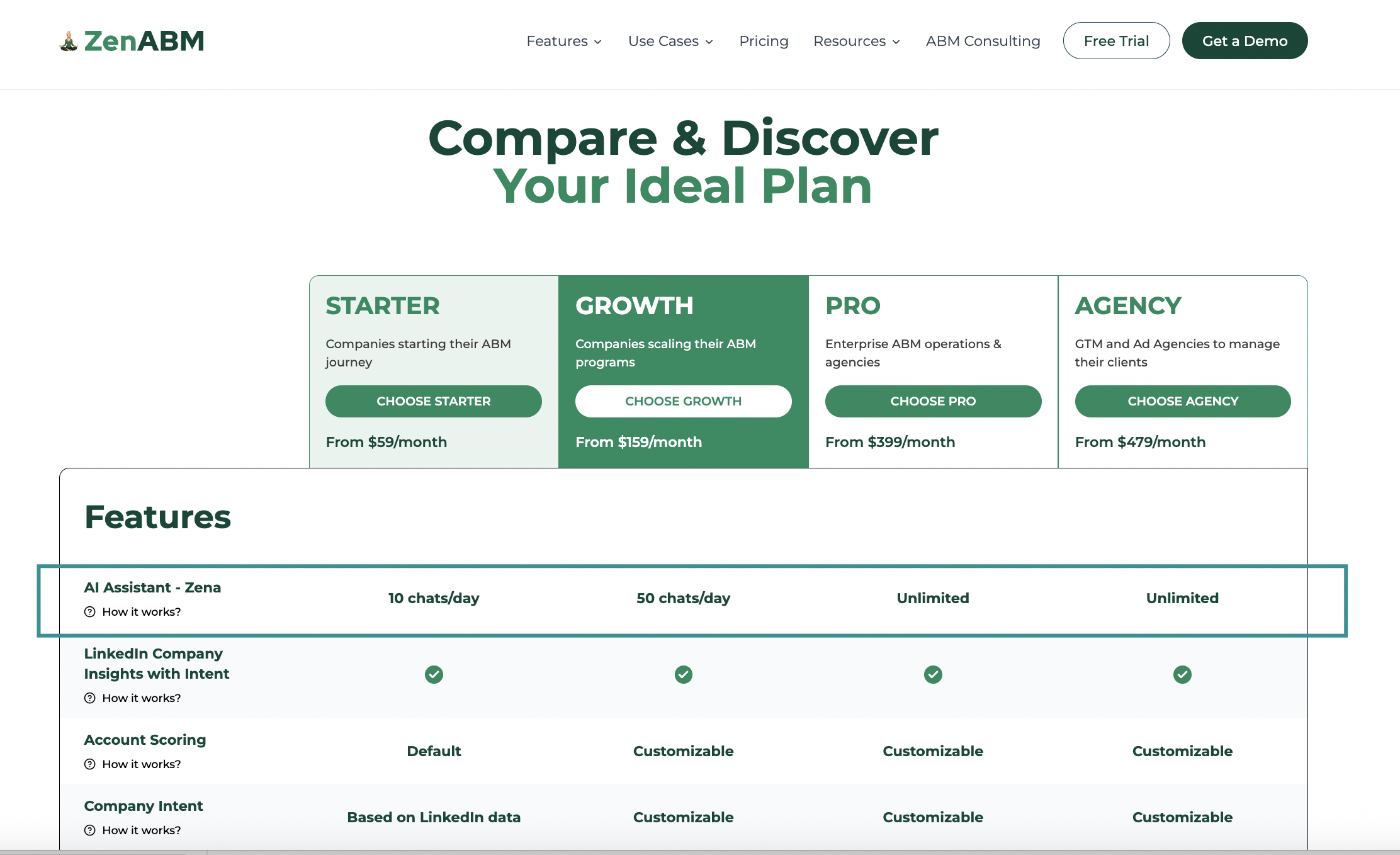
ZenABM pricing details:
Choose Dreamdata if your biggest problem is attribution. When leadership asks which channels, campaigns, or content actually influenced revenue, Dreamdata is built to answer that question with evidence instead of opinions.
Choose Demandbase if you are running large-scale, multi-channel ABM with significant budgets and need intent data, account orchestration, and executive-grade dashboards across the funnel. Expect complexity and cost to match the ambition.
Choose ZenABM if LinkedIn is your primary ABM channel and you care more about first-party accuracy than rented intent. ZenABM sits between attribution and orchestration by turning LinkedIn ad engagement into:
Instead of guessing intent from IPs or keyword surges, ZenABM treats LinkedIn engagement itself as first-party buying intent, which is often more reliable and far easier to operationalize.
It can sit alongside Dreamdata to add clean LinkedIn attribution, or replace heavy ABM suites for teams that want clarity without enterprise drag.
